

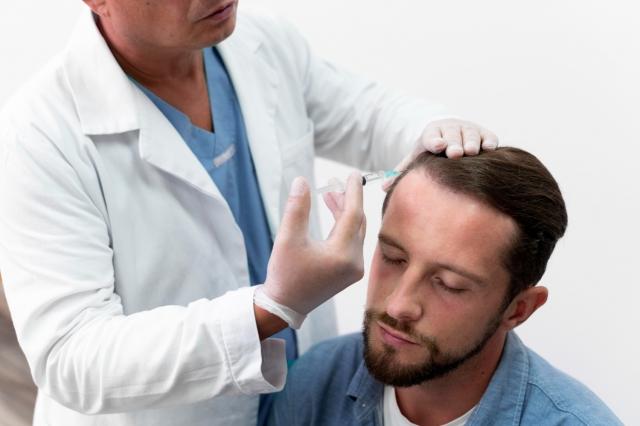
Your overall look is majorly impacted by your hairstyle. If you are suffering from hair loss and a receding hairline, this will negatively impact your looks, confidence, and self-esteem. This is a growing problem among the population and affects nearly all of them. Yes, hair loss can also be related to your genetics, and no amount of care or products can help them grow back.
However, with the improvements in technology, you can get help from a professional at the hair loss clinic in Dublin. They will carefully examine your scalp and provide you with advice to choose your best course of action.
Just as with any other surgery, this surgery also has its fair share of health requirements and consultation sessions with professionals. Let's delve deeper into the aspects of this surgery and the types of surgery that are performed.
What is hair transplant surgery?
Simply put, this is a surgical procedure in which a professional will carefully relocate hair follicles from areas on your body with healthy hair, referred to as the donor site, to your scalp areas that are experiencing hair loss or baldness, referred to as the recipient site.
Hair transplants are done at registered clinics with the help of registered dermatologists and other professionals who are under general anaesthesia. At first, your care provider will carefully evaluate your baldness pattern and determine its type to provide the appropriate treatment you require.
- Family genetics.
- Your poor diet may not contain the necessary nutrients to support healthy hair growth.
- Research has shown that stress is responsible for hair loss.
- Illness can also make your body devoid of nutrients required for healthy hair and cause excessive hair loss.
- Medications like chemotherapy and thyroid treatments are known to affect hair follicles and exacerbate hair fall to the point of baldness.
- A hormonal imbalance in your body can also cause hair thinning and speed up hair fall, leading to a receding hairline and early baldness.
Conditions to consider before hair transplant surgery
Like many surgeries that take place under general anaesthesia, this surgery also requires you to consider a few things before opting for a transplant, such as:
- This is essentially a cosmetic procedure and not a life-saving treatment that is necessary for your health. Therefore, before deciding to go for this surgery, you should consult with your doctors to learn about all the side effects and restrictions after the surgery to make your efforts fruitful.
- Cosmetic surgeries are often costly and substantially impact your bank balance; hence, it becomes necessary for you to consider whether this surgery is worth your financial inconvenience.
- You will need to have a realistic expectation from your surgery, as it will not give you a head full of thick, lush hair but will only address your issues of baldness. This is a time-consuming process and will take months, sometimes up to nine months, for the hairs to fill in.
- If you are a smoker, you are likely to face complications during the surgery, making it an important decision that may impact your life.
- Lastly, you may need to continue consulting with your doctor even after your surgery to address any complications that may arise.
Types of hair transplant surgery
This is a complicated procedure and is available in different types. Centres like the hair transplant surgery in Ireland clinics offer various types of surgical plans, such as:
-
Grafting hair transplant:
This is the most commonly practised way of hair transplant surgery, where your healthcare professional will cut small patches of healthy hair, usually containing 10 to 15 hairs, and graft them over your scalp. This procedure will take several sessions to complete and depends on how much area needs to be grafted. During this procedure, you will remain awake, but the scalp will be numbed to prevent pain.
-
Flap surgery plan:
This is a more complicated surgery, and you will require general anaesthesia. It is performed if you have a large bald area to be covered and will take place over several sessions over a few weeks.
The surgeon will cut a hair patch from the donor site and attach it to your bald area by removing the flap and attaching the original supply to it.
-
Tissue expansion:
This is a complex and tedious surgery that is performed by a surgeon when you have a bald patch due to burns. This is a type of reconstructive surgery that takes place over weeks and multiple sessions. It will involve a tissue expander, which is placed under the scalp and helps stretch the skin over which the surgeon will perform the hair transplant.
Conclusion
Nowadays, hair transplants have become common among the population, and you can easily avail of this service if you are suffering from baldness and hair thinning. Reputed clinics like the best hair transplant Ireland medical clinics have trained surgeons who can perform this surgery flawlessly and give you relief from baldness. But before getting into any such cosmetic surgery, it is important for you to think about the cost and time it will take to show any meaningful results.